Intraoperative PTH monitoring
Parathyroid hormone has a half-life of a few minutes. Measuring it in the room, before and after removal, confirms the cure while the patient is still asleep rather than at a follow-up visit weeks later.
Parathyroid · Thyroid · Adrenal — Houston, Texas
A healthy parathyroid gland weighs about forty milligrams and sits beside the nerve that carries your voice. Endocrine surgery is the delicate discipline of finding the diseased gland(s), removing them, and leaving everything else exactly as it was. It's all that we do at this center of excellence.
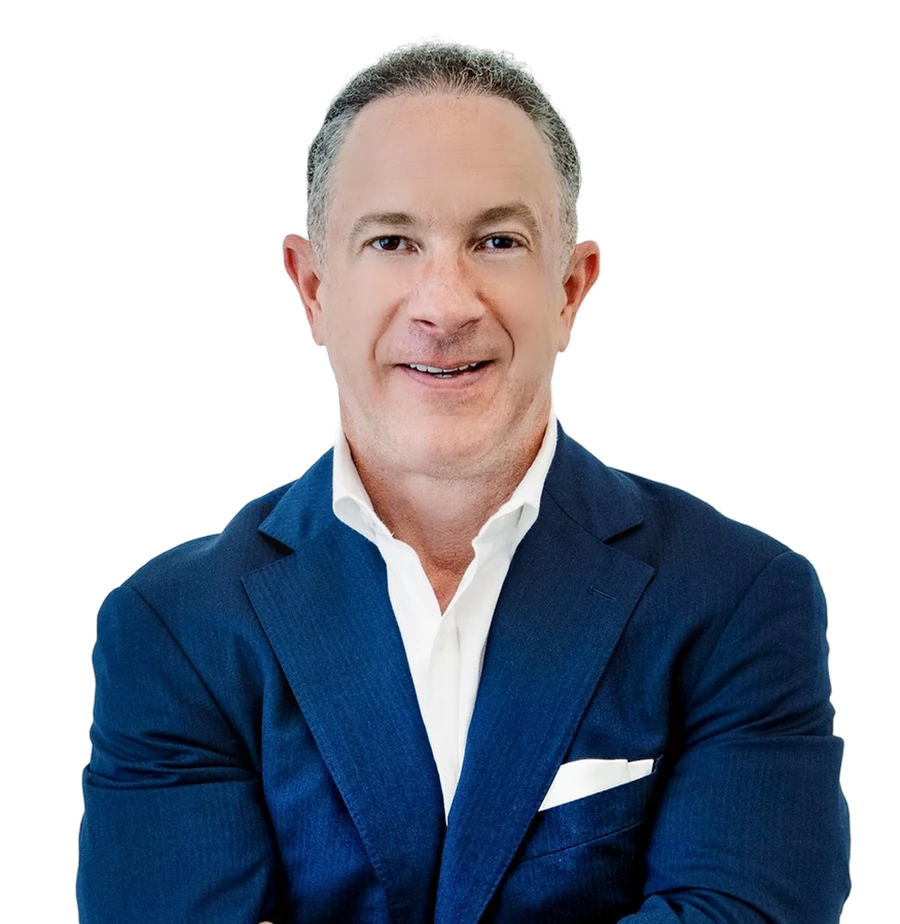
James W. Suliburk, MD, FACSProfessor & Chief of Endocrine Surgery, Baylor College of Medicine
Experience
Cure rate refers to first-time parathyroid surgery in appropriately selected patients. Outcomes depend on the individual diagnosis and vary between patients; no result is guaranteed.
Center of Excellence 01
Four glands · 5 × 3 × 1 mm each
Normal weight 30–50 mg
Most Primary hyperparathyroidism is caused by a single benign tumor on one of four glands. It is the reason for the kidney stones, the thinning bones, the fatigue and the fog — and it is cured by an operation that removes a growth the size of a raisin or grape and takes well under an hour.
A scan does not make the diagnosis. Biochemistry does. A negative sestamibi is a reason to operate with an experienced surgeon — not a reason to wait or observe.
SURGERY IS THE ONLY CURE FOR PRIMARY HYPERPARATHYROIDISM
Center of Excellence 02
Nodules found in roughly half of adults
About 1 in 20 proves to be cancer
Thyroid nodules are extremely common and the overwhelming majority are benign. The decision that matters is which ones need an ultrasound-guided biopsy, which need molecular testing, which can simply be watched, and which need an intervention — and how much of the gland has to come out when it does. We custom develop treatment plans specific to your disease process and your goals of care. We make every effort to preserve as much non-diseased native thyroid as possible.
Voice and calcium are not complications to be managed afterwards. They are things to be protected during the operation, deliberately, every time.
Center of Excellence 03
4–6 g each · roughly 4 × 2 × 1 cm
Cortex and medulla, four hormone systems
Adrenal tumors are usually discovered by accident on a scan ordered for something else. The question is never only "how big is it" — it is whether the gland is producing a hormone that is quietly driving blood pressure, potassium, weight, bone density or blood sugar in the wrong direction, and whether removing it will reverse that.
Hypertension or Type 2 Diabetes that will not improve on three medications deserves advanced cortisol and aldosterone testing before adding additional medications.
Diagnosis before incision
Endocrine surgery is a biochemical specialty that happens to use a scalpel. Before any operation is discussed, the diagnosis has to be established in the laboratory. These are the studies that typically settle it. Reference ranges vary between laboratories; interpretation always depends on the whole clinical picture.
| Gland | Study | Typical range | What it points to |
|---|---|---|---|
| Parathyroid | Serum calcium | 8.5 – 10.2 mg/dL | High calcium with non-suppressed PTH is hyperparathyroidism until proven otherwise |
| Intact PTH | 15 – 65 pg/mL | A "normal" PTH is inappropriate when calcium is high. If the calcium is > 10.0 then PTH should be less than 30. | |
| 25-OH vitamin D | 30 – 100 ng/mL | Deficiency must be corrected before PTH is interpreted | |
| 24-hour urine calcium | 100 – 300 mg/24 h | Distinguishes familial hypocalciuric hypercalcemia | |
| Intraoperative PTH | > 50% drop at 10 min | Confirms the diseased gland is out during the operation | |
| Thyroid | TSH | 0.4 – 4.0 mIU/L | Suppressed TSH redirects a nodule toward a scan rather than a biopsy |
| Ultrasound (TI-RADS) | TR1 – TR5 | Sets the size threshold and imaging features at which a nodule is biopsied | |
| Fine-needle aspiration | Bethesda I – VI | Bethesda III and IV are where molecular testing changes the plan | |
| Adrenal | Aldosterone : renin ratio | > 20 (ng/dL per ng/mL/h) | Screens for primary aldosteronism in resistant hypertension |
| 1 mg overnight dexamethasone | Cortisol < 1.8 µg/dL | Failure to suppress indicates autonomous cortisol production | |
| Plasma free metanephrines | Normetanephrine < 0.9 nmol/L | Rules out pheochromocytoma before any adrenal operation | |
| CT with washout | Absolute washout > 60% | Characterizes a mass as a benign adenoma |
Technique
High-volume endocrine surgery is not one surgical procedure. It is a set of specific tools and habits, applied consistently, that shorten the operation, shrink the incision and protect what has to be left behind allowing for optimal healing and a lifetime of improved health outcome
Parathyroid hormone has a half-life of a few minutes. Measuring it in the room, before and after removal, confirms the cure while the patient is still asleep rather than at a follow-up visit weeks later.
The recurrent laryngeal nerve is one to two millimetres across and controls the vocal cord. Continuous monitoring gives real-time feedback on nerve function throughout the dissection, not just at the end.
Selected benign and cancerous nodules can be shrunk in the office with a needle and ultrasound guidance — no incision, no general anaesthetic, no thyroid hormone replacement, and no scar.
For appropriate candidates, the thyroid or parathyroid is removed entirely through the inside of the lower lip, leaving no visible mark on the neck at all.
The adrenal gland is reached from tiny key hole incisions. Adhesions are avoided, and most patients go home the same or the next day.
Operating in a field that has been operated on before is a different problem from operating in a fresh one. It is planned differently, imaged differently, and belongs with a surgeon who does it often.
We use the latest technology in tissue repair, with the state-of-the-art suture material and techniques of plastic and cosmetic reconstructive surgery,for the finest possible cosmetic result.
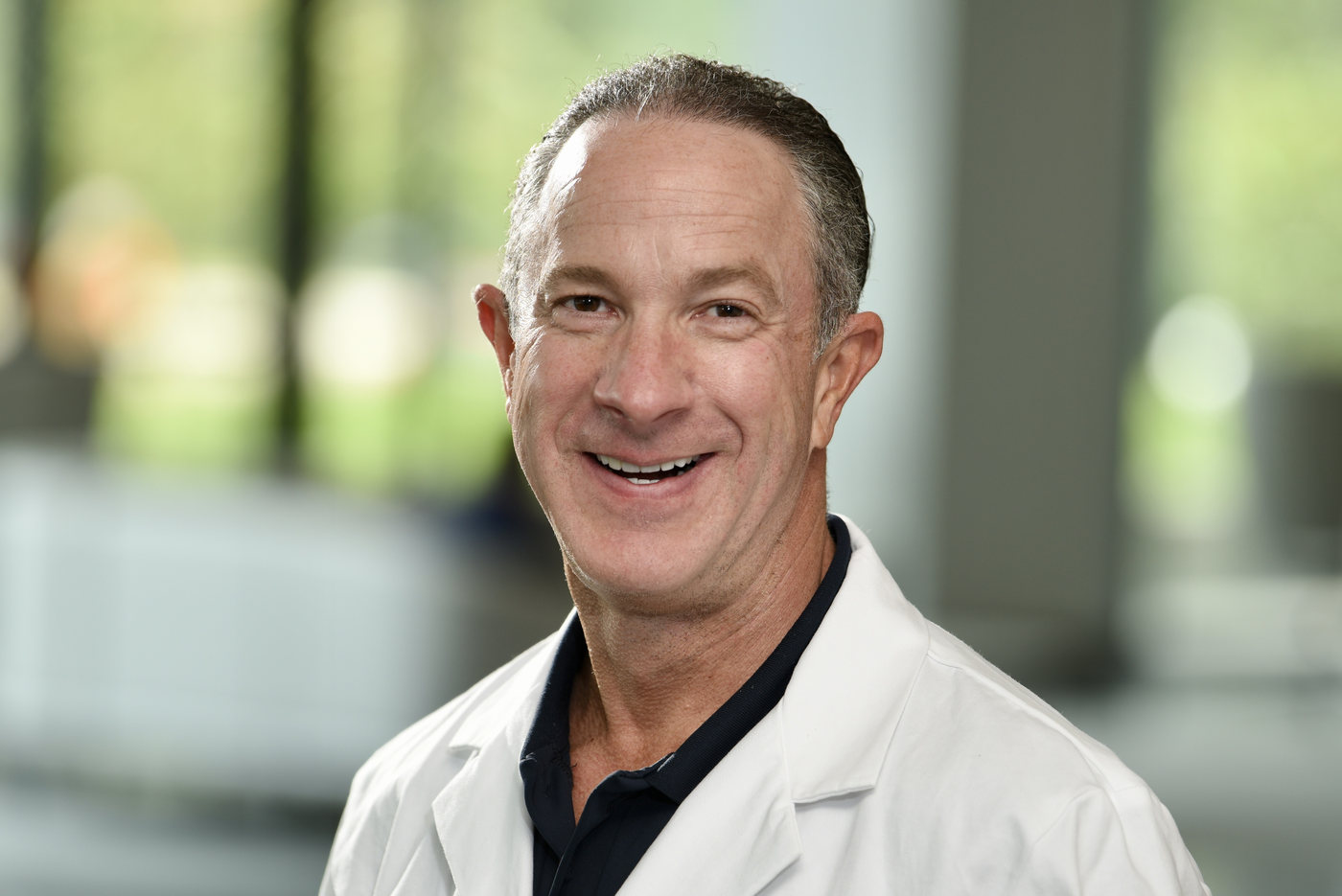
James W. Suliburk, MD, FACS
Professor & Chief of Endocrine Surgery
Baylor College of Medicine, Houston
Endocrine operations are done under magnification and directed light. At this scale, the difference between a good result and a complication is measured in tenths of a millimetre.
About the surgeon
Dr. James Suliburk has achieved the pinnacle of surgery as a full tenured Professor of Surgery and Chief of Endocrine Surgery at Baylor College of Medicine in Houston, where he helps to directs the endocrine surgery fellowship and operates exclusively on the thyroid, parathyroid and adrenal glands. He trained in general surgery at the University of Texas Medical School at Houston and completed a prestigious T.S. Reeve endocrine surgery fellowship at Royal North Shore Hospital, University of Sydney — one of the highest-volume endocrine units in the world.
His practice concentrates on operations that reward experience and meticulous attention to detail:
Along with being the highest volume surgeon performing endocrine surgery and as a member of the elite Ben Taub emergency surgery team in the world's largest medical center, he also teaches these operations to surgical residents, fellows and professional surgeons and is a member of the American College of Surgeons Academy of Master Surgeon Educators.
Referrals are accepted from endocrinology, primary care, nephrology, cardiology and oncology. Patients are seen with a complete surgical plan already formed wherever the workup allows it, so that the first visit is a decision rather than a data-gathering exercise.
Direct referral line
832-957-6500Records and imaging may be sent to endocrinesurgery@bcm.edu.
Request a consultation
Call to schedule an evaluation, or send records for review before travelling. Self referrals and second opinions are welcome, including for patients who have already been told an operation is or is not necessary. In most cases visits can be performed via convenient and secure telehealth to prevent the need for long distance travel for evaluation.
832-957-6500Monday – Friday · 8:00 – 17:00 Central